






As production costs increase, along with the size and complexity of machines, the need for advanced engineering has never been more important for the agriculture and off-highway sectors. With customers demanding higher output, efficiency, utilisation and reliability, our tools and experience can help optimise your product to deliver this.
Construction and agricultural industries contribute over £200 billion to the UK economy, and with over 70% of land used for farming, it’s vital that these two sectors are supported by state-of-the-art machinery.
At TECOSIM, we have vast experience in these areas, having worked closely with leading brands, delivering everything from portable woodchippers to extremely large tracked vehicles. Now it is more important than ever for construction and agriculture companies to work with leading engineering organisations such as TECOSIM to enhance their product development and deliver robust solutions to their customers.
Our client’s product development is supported by our comprehensive range of services, from our consultancy-led project management and design to the latest engineering tools for Computer-Aided Engineering (CAE/FEA) and computer-aided design (CAD).
-
Design and Engineering
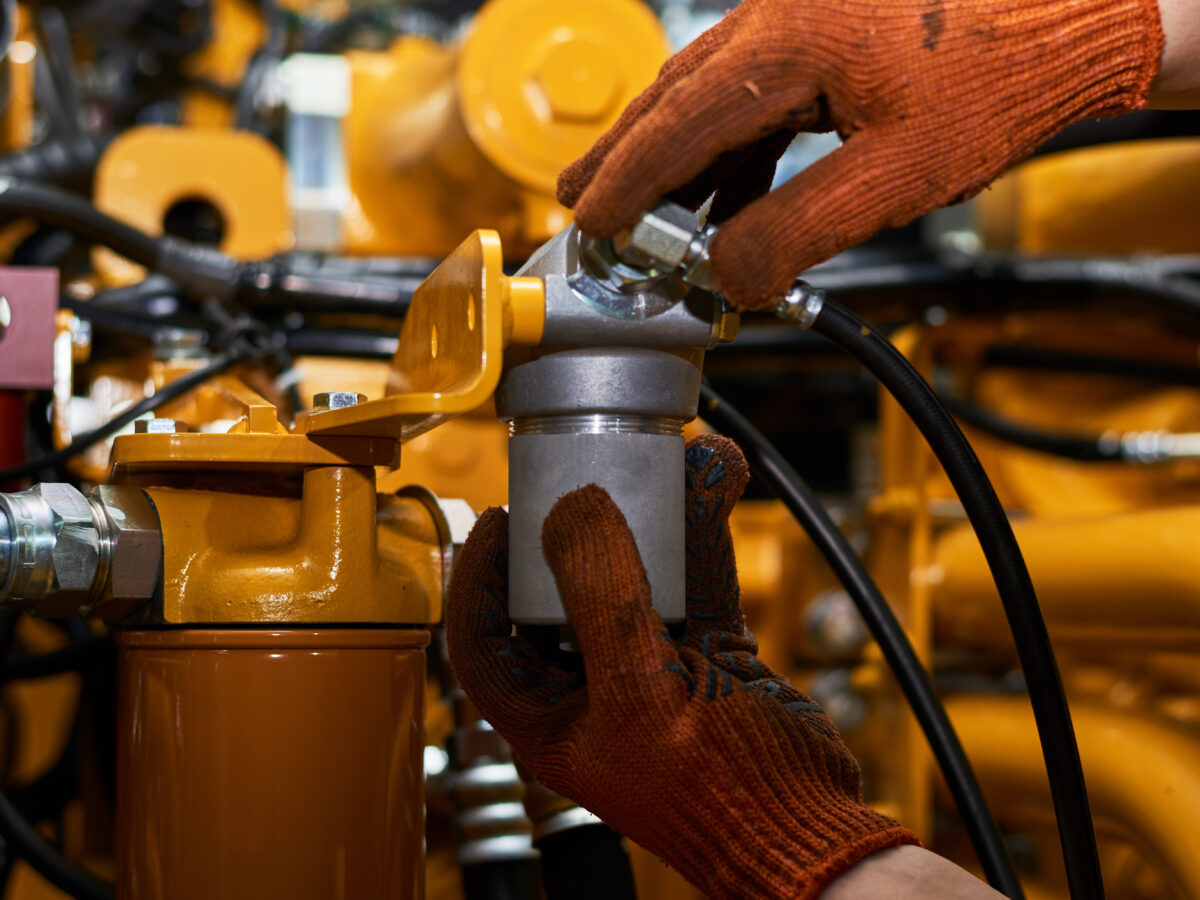
Development to quickly take a product from concept phases through to full production. From design space layout [packaging] to detailed design for manufacture.
-
Durability Analysis
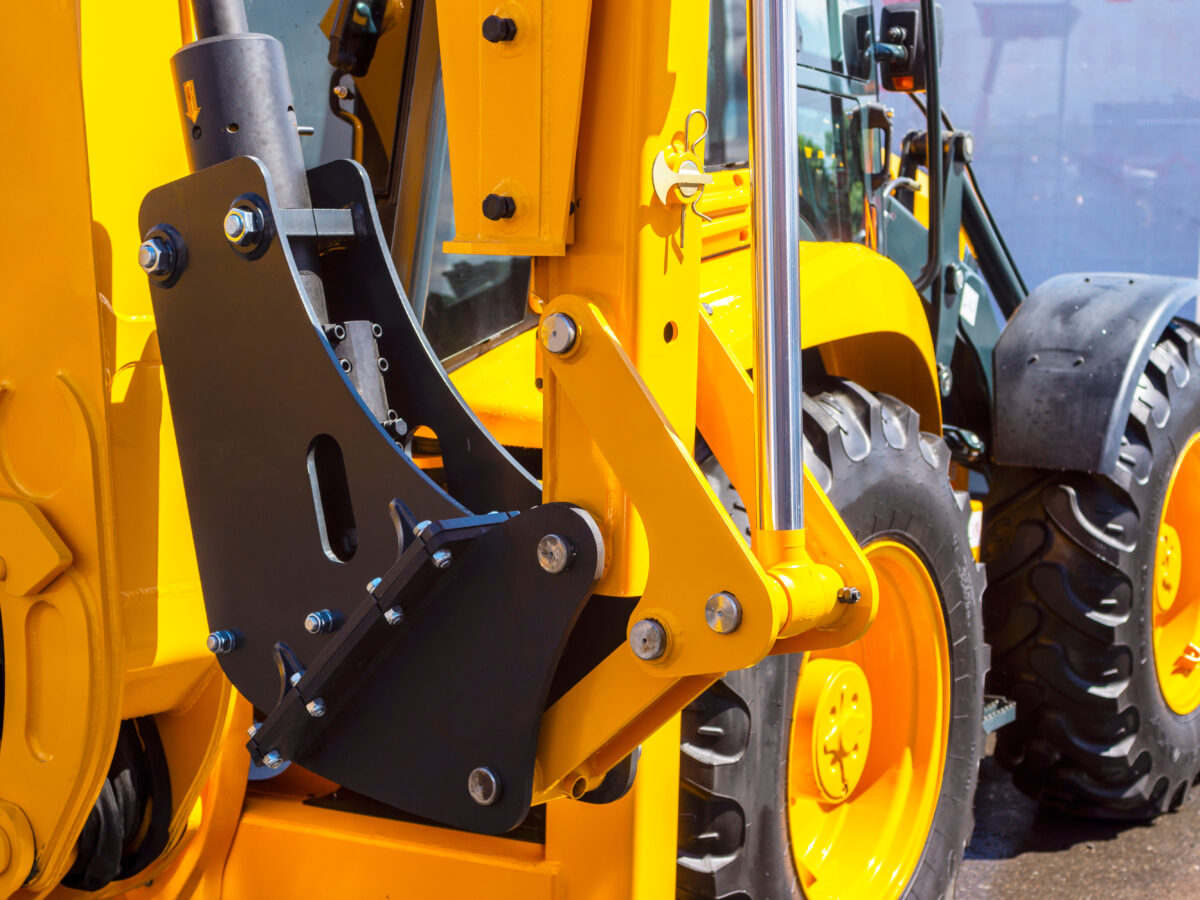
This is used to highlight and eliminate weak points, reveal weight/cost optimisation opportunities, minimise the number of physical tests and reduce warranty claims. We perform analysis from individual abuse tests through to full-life fatigue. This can be for an all-new product, an update or change of use for an existing product, or to resolve durability issues on an existing product.
-
Multi-Body System Simulation
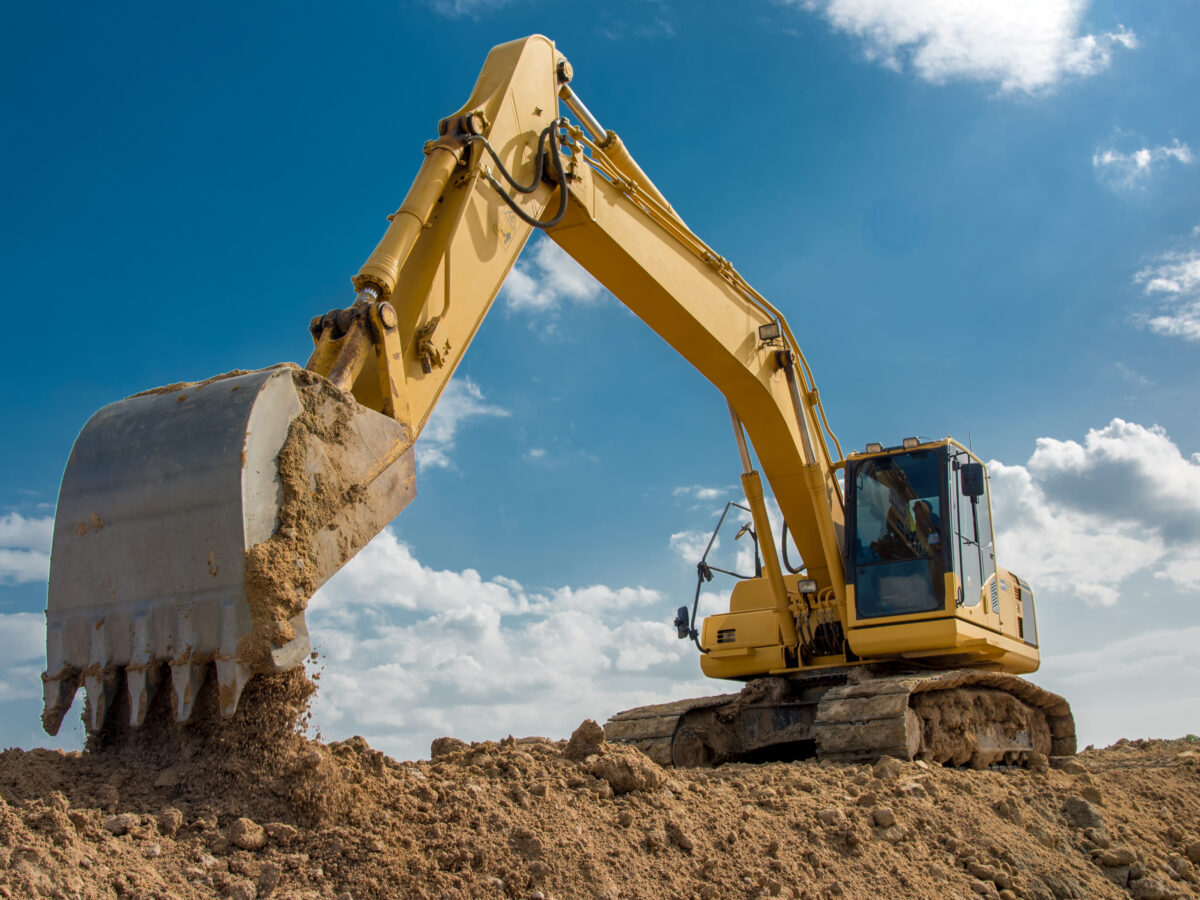
The simulation of kinematic systems – We can simulate you mechanism to check the kinematics and look at the forces for various load cases, from an excavator bucket digging to a tank traversing tough muddy terrain. This tool is also used extensively to model vehicle suspension systems. The forces can then be applied to the components to check the stress levels and suitability.
-
Optimisation
Making a component fulfil its objectives without unnecessarily exceeding them at the expense of weight or cost. Optimisation can consider the material, shape and size of the component and can be optimised to minimise mass, peak stress etc. And can consider manufacturing constraints as well. We can perform Multi-Disciplinary Optimisation [MDO] where the optimisation considers many requirements [often conflicting] from NVH, strength, durability etc., to determine the optimum design and compromise between the requirements.
-
Dynamic Simulation
Typically used to analyse various dynamic, high energy or highly non-linear events, highlighting the effect on components, assemblies or the entire product. This helps our customers save costs on prototypes and testing, reducing environmental impact, and reducing the time to market.
Typical examples of this are:
Impact Analysis
Analysing high energy impacts or highly non-linear events to assess damage and deformation.
Occupant Safety
Used to analyse the impact on vehicle occupants during a collision or rollover. This includes an in-depth investigation of components such as seatbelt systems, dashboards, airbags, interior trim and seating.
-
NVH (Noise, Vibration & Harshness)
We use the latest simulation tools to predict what the occupants will experience with regards to feel and noise (for example, Road load vibrations, squeak & rattle and aeroacoustics), then develop the product to minimise or eliminate anything deemed undesirable
-

Computational Fluid Dynamics (CFD)
To calculate the fluid and heat flow over or through a vehicle or component (e.g. external aerodynamics, power train heat management, climate/HVAC systems, brake cooling, defrosting / de-icing of windscreens, contamination simulation and water fording).
-
Coupled or Multi-Physics Simulation
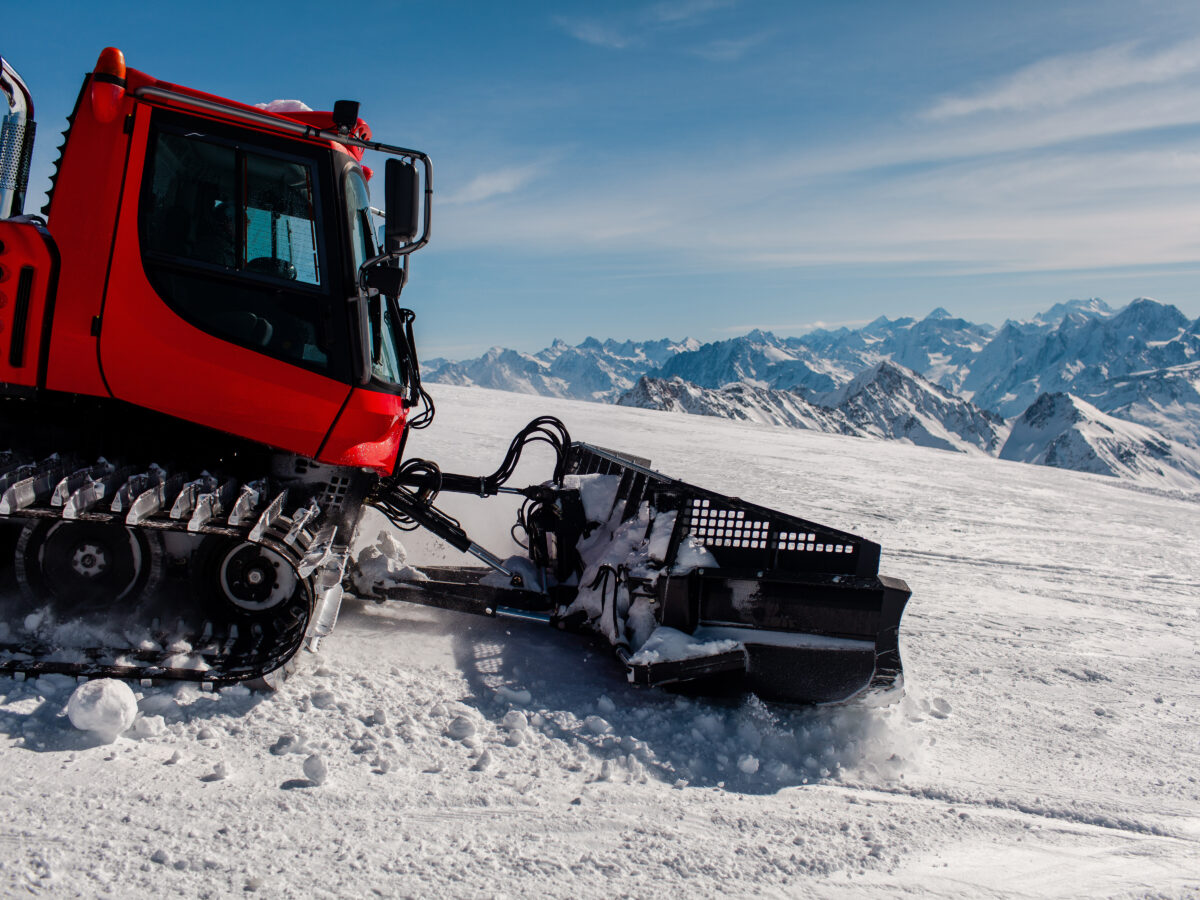
This is the process of joining 2 or more different types of simulations together so that, for example, the output from one simulation can be applied to another and vice versa. This is often seen with a CFD model coupled with a structural model – The pressure from a CFD model is applied to the structural model, resulting in deformation of the component – the deformed shape is then fed back into the CFD model, which could change the fluid flow and hence the pressures and so forth. Another example is an MBS model coupled with a structural model or a particle model.
-

System simulation
The examination and analysis of complex systems, where many components and sub-systems interact. For example, the control of the cooling system by the electrical system, where separate systems interact and have many different scenarios to check and ensure optimal and efficient performance.
-
Virtual Benchmarking (TEC|BENCH)
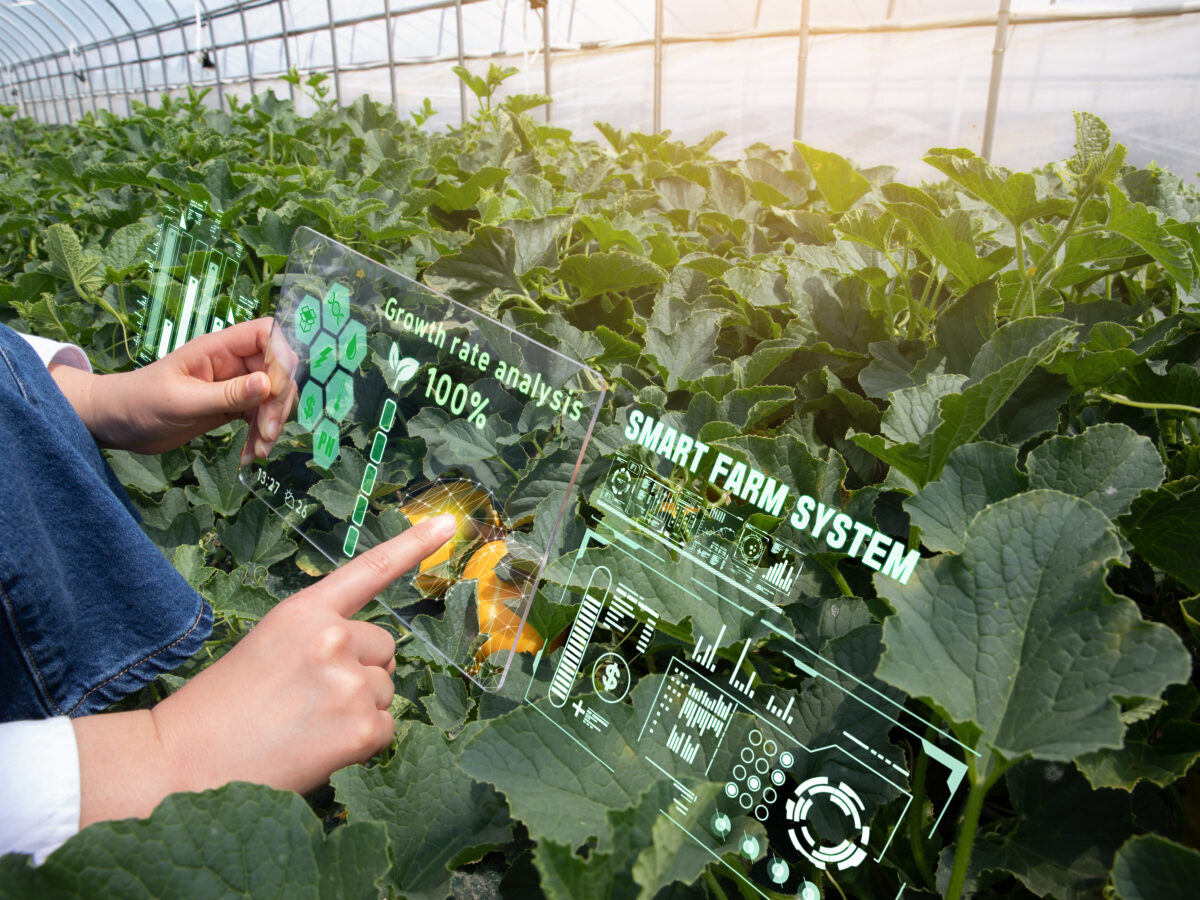
This process allows for detailed comparisons with competitors’ full products, vehicle components, and sub-systems. This speeds up product development whilst reducing costs through highlighting how competitors overcame similar engineering challenges with their products. Unlike other benchmarking services, we provide a CAE model of the benchmark product, allowing you to run all of your tests on the competitor product to allow direct and detailed comparison to your product and identify the targets your competitor is working to.
-
Process
We have successfully worked with many different organisations, from the largest to the smallest, with different processes and requirements but with the same goal – to get the right product at the right cost. We will work with you following your processes and systems where they are in place, and helping you develop them where they are not. And our broad experience can help optimise your processes for the better, allowing great efficiency and effectiveness.
-
Understanding the Challenge
Problem-solving is our speciality and understanding the nature of the challenge allows us to create bespoke engineering solutions, providing flexibility and ingenuity. In addition, we believe collaboration Is essential from the early quotation stages to final project delivery, ensuring the highest levels of support and customer satisfaction. Changes to the project scope could occur at any time; however, the high levels of flexibility within the TECOSIM team allow for the seamless transition of your project requirements.
-
Driving Ingenuity
The combined power of our consultancy teams and simulation specialists helps us to unlock creative and innovative ideas, driving ingenuity at every stage of the development process. Furthermore, consulting and simulation projects benefit from the diverse experience of the TECOSIM Group, utilising a wide range of perspectives when solving those niche challenges.
-
Delivery
Results alone are not enough; we provide engineering direction based on the collective experience of hundreds of industry-leading engineers. We drive the development of customer products and the realisation of customer goals. Our collaborative methodology ensures a right-first-time approach, minimising cost and lead times.
Design to delivery, we’re your team’s secret weapon
We understand that all requirements are unique; whether you need one engineer or a larger team, we can work together to provide you with a bespoke solution, delivering the power of TECOSIM’s global knowledge base.