








Computational Fluid Dynamics (CFD) in CAE
Computational Fluid Dynamics (CFD) is a principal component of Computer-Aided Engineering (CAE), revolutionising how we describe the flow of liquids and gases in and around a variety of products and structures. This multi-physics approach combines various phenomena, such as fluid dynamics, thermodynamics, and momentum conservation, to provide comprehensive insights into complicated systems.
Improving Performance, Efficiency, and Safety
At TECOSIM, we use CFD to provide critical analytical solutions for a wide range of applications that improve performance, efficiency, and safety in a variety of industries, from product development and aerodynamics to understanding the impact on tall structures and modelling wind vortices around them.
Previously, assessing fluid flow behaviour required the fabrication of scale models and access to expensive wind tunnels. With the advent of CAE solutions, however, we can now realistically simulate our customers’ specific challenges, saving significant time and resources in the product development process. Our engineers can quickly optimise designs and handle potential obstacles by using virtual simulations, expediting the route to market and helping our clients stay ahead in their competitive environments.
Advancing Towards Sustainability
As the world increasingly focuses on achieving Net Zero and decarbonization, CFD assumes greater significance beyond offshore constructions such as wind turbines and platforms. Our skilled engineers work with architects to create novel, low-carbon passive heating and cooling techniques for buildings. We reduce the need for carbon-intensive air processing by accurately simulating and capitalising on natural phenomena, contributing to a more sustainable, inherently low-carbon and eco-friendly approach to building and construction.
The benefits of CFD are extensive, especially given the exponential rise of data centres around the world, where thermal performance and heat transfer challenges increase apace as digital infrastructure becomes the backbone of our society. CFD is critical in optimising the design and operation of data centres, assuring energy economy and dependable performance while minimising environmental effects.
Benefits of CFD
Computational Fluid Dynamics (CFD) is a powerful numerical tool used to analyse fluid flow and heat transfer in various engineering and scientific applications.
In the automotive sector, CFD is deployed to design more aerodynamic vehicles that minimise drag and fuel consumption. Furthermore, it enables the analysis of airflow in engine components, which enhances cooling system effectiveness and overall vehicle performance.
CFD simplifies aircraft aerodynamics analysis in aerospace engineering, resulting in increased fuel efficiency, lower emissions, and improved flight safety. Understanding airflow around aircraft structures helps with design optimisation for maximum performance and stability.
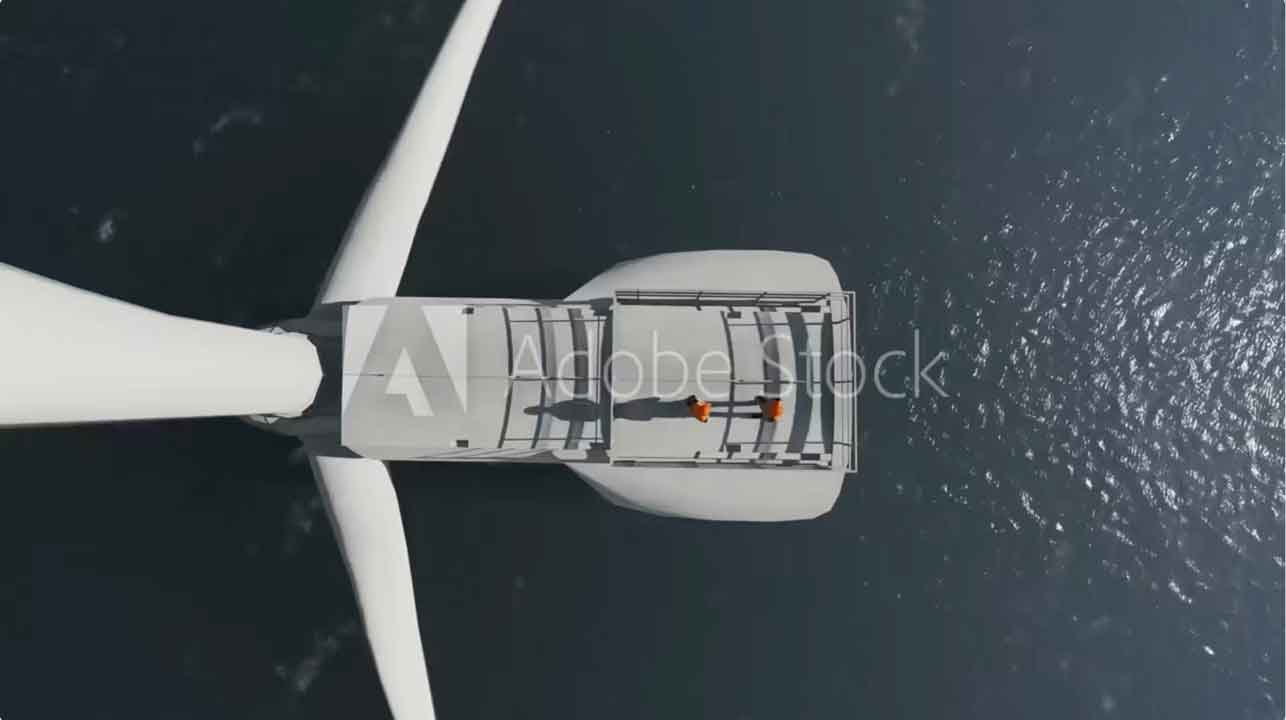
CFD is critical in the energy sector for building and optimising wind farms, allowing engineers to examine wind flow patterns and the impact of wake effects between turbines to maximise energy output.
Our team of CFD professionals at TECOSIM is committed to being at the forefront of this ever-improving discipline. We invest in cutting-edge CFD software and have developed processes to ensure the accuracy and reliability of our simulations. Our expertise enables us to tackle complex engineering challenges for our clients, providing personalised solutions that drive innovation and engineering excellence.